Acupuncture & TCM for Sleep Problems
Many people try acupuncture for poor sleep, usually as a complementary approach alongside good sleep habits. The evidence is limited and mixed, and it is not a cure for insomnia.
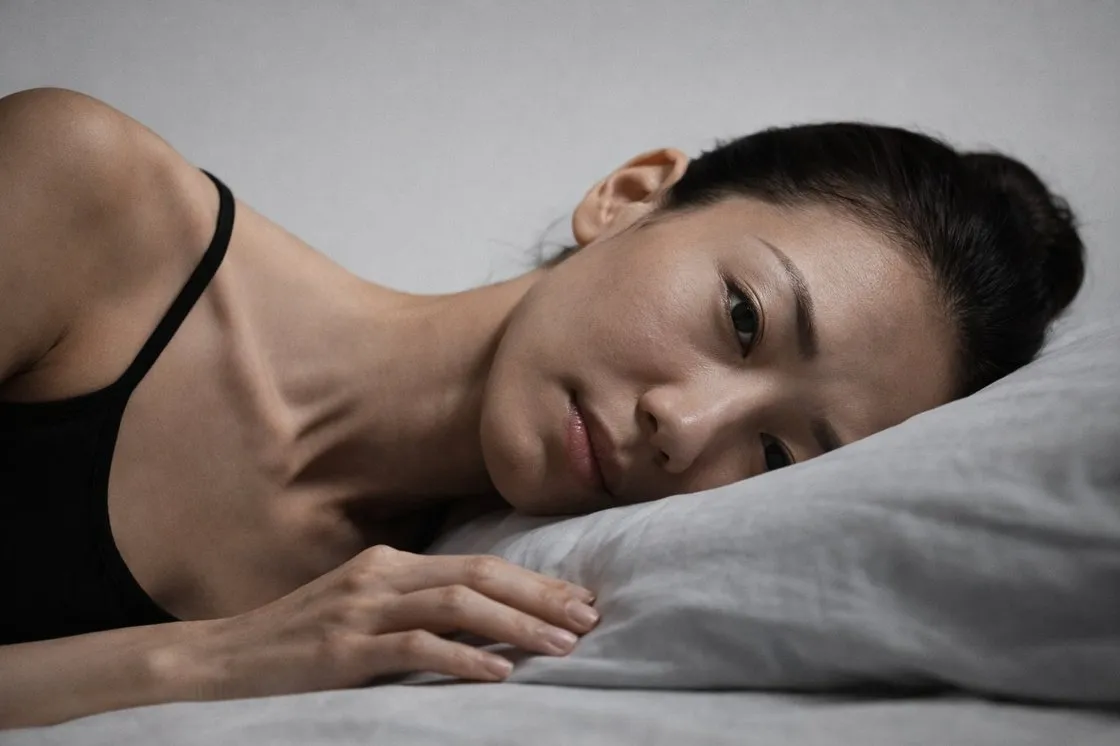
Sleep problems cover trouble falling asleep, waking through the night, or waking too early and feeling unrested. They are often tied up with stress, pain or low mood, and short bouts are normal — it is persistent insomnia that wears people down.
Acupuncture is commonly used as a complementary approach for insomnia, typically aiming to support relaxation and reduce the tension that keeps people wired at night. We are upfront that the evidence is limited, and it works best alongside good sleep habits rather than on its own.
How we treat Sleep Problems at TCM.ch
We start by understanding your sleep pattern and what is around it — stress, pain, screens, caffeine, shift work. Treatment is usually a course of acupuncture aimed at helping you wind down, and we will often address co-existing issues like neck tension or stress that disrupt sleep.
We also talk through practical sleep habits, because acupuncture on top of poor routines rarely does much. For long-standing insomnia, structured approaches like CBT-I are the best-supported treatment and we will point you to them.
What the evidence says
Evidence for acupuncture and insomnia is limited and of variable quality — some studies report improved sleep, but reviews caution that the research is weak and may overstate benefit. For chronic insomnia, cognitive behavioural therapy (CBT-I) has the strongest evidence; we see acupuncture as a possible complement, not a first-line cure.
We base this on general clinical guidelines and systematic reviews (e.g. Cochrane, PubMed-indexed research). The honest summary: studies vary in quality and findings, and individual results differ.
When to see a doctor first
Acupuncture is a complement, not a substitute for medical assessment. See a doctor first if you have:
- Loud snoring with gasping or pauses in breathing (possible sleep apnoea — see a doctor)
- Persistent insomnia alongside low mood, anxiety or hopelessness
- Daytime sleepiness severe enough to affect driving or work
- Sleep problems starting with a new medication or medical condition
FAQ
Can acupuncture cure my insomnia?
No — we would not claim that. Evidence for acupuncture and sleep is limited and mixed. Some people find it helps them relax and sleep better as part of a wider approach; others notice little. For chronic insomnia, CBT-I is the best-supported treatment and worth asking about.
How does it help sleep?
The most likely route is by easing the physical and mental tension that keeps people alert at night, rather than acting like a sedative. That is also why it works better combined with good sleep habits than on its own. Effects vary a lot between individuals.
What else should I do?
Consistent wake times, limiting screens and caffeine late, and getting daylight and movement during the day all matter more than most people expect. For persistent insomnia, ask your doctor about CBT-I — it has the strongest evidence. We are happy to treat alongside these.
Is acupuncture covered by my insurance?
Treatment by our EMR-/ASCA-recognised practitioners is typically reimbursed through Swiss supplementary insurance for complementary medicine, not basic insurance. How much you get back depends on your individual policy. Our insurance guide explains the basic-versus-supplementary split in plain English.
Therapies we might use
Depending on what we find, treatment for sleep problems may draw on:
This page is general information, not medical advice, and does not promise any cure or specific outcome. If symptoms are severe, sudden or worsening, see a doctor.