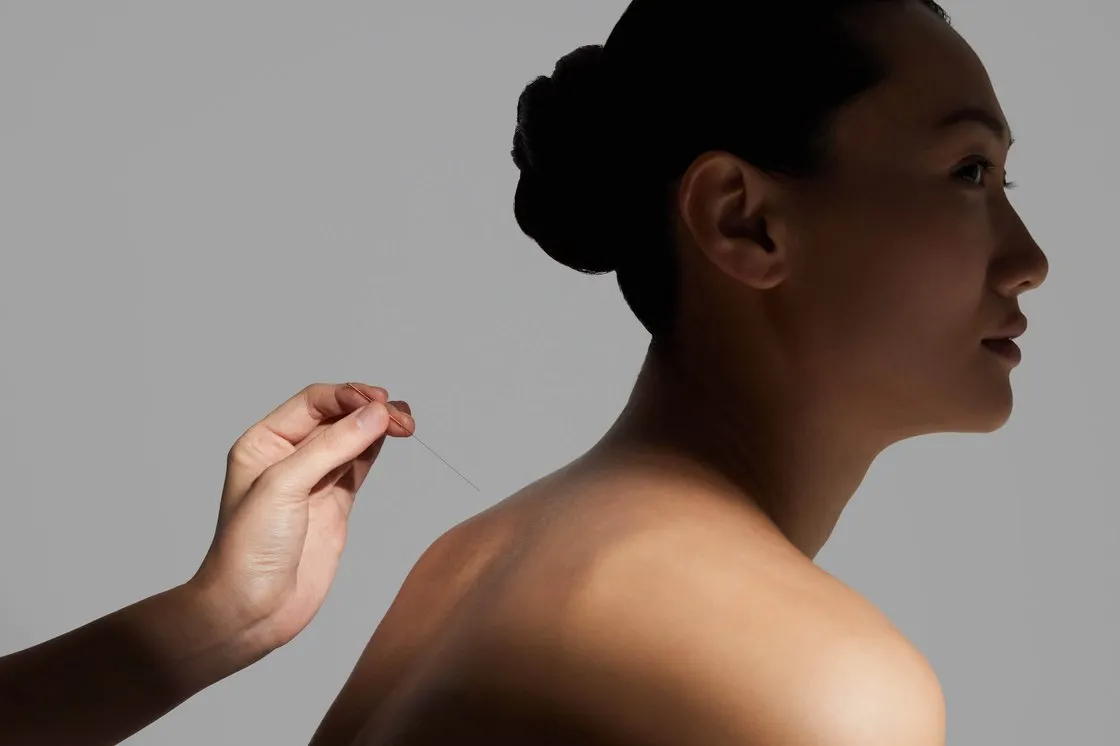
“Is it safe?” is one of the first things people ask about acupuncture, and it deserves a straight answer rather than reassurance for its own sake. The honest version: done by a trained practitioner with sterile, single-use needles, acupuncture is considered low-risk, and the large majority of side effects are minor and short-lived. Serious problems are rare and are closely tied to untrained practitioners. Here is what to actually expect, and how to keep your own risk low.
The common side effects
Most people have no trouble at all, but mild, temporary reactions are normal and nothing to worry about:
- a small bruise or a spot of tenderness where a needle was placed,
- tiredness or deep relaxation afterwards, sometimes for an hour or two,
- brief light-headedness or dizziness, especially if you sit or stand up too quickly,
- occasionally a tiny bleeding point when a needle comes out, easily dabbed away,
- a short-lived feeling that symptoms flare slightly before settling.
These typically pass within a few hours to a day. Taking it gently after a session, drinking some water, and not rushing off to intense exercise tends to make the experience smoother. Our first-session guide covers what the treatment itself feels like.
The rare serious risks, in context
It is fair to ask about the worst case, so here it is honestly. Serious complications from acupuncture, things like infection or, very rarely, injury from a needle inserted too deeply in the wrong place, do exist in the literature, but they are rare and overwhelmingly linked to untrained practitioners or poor technique. [verify citation]
This is exactly why two things matter so much:
- Sterile, single-use needles. These are standard practice and effectively remove the infection risk that worried people decades ago. We use single-use needles for every patient.
- Proper training and recognition. A practitioner who knows anatomy and technique is the main safeguard against the rare mechanical risks.
In other words, the single biggest factor in acupuncture safety is who is holding the needle.
Why EMR / ASCA recognition matters for safety
In Switzerland, the EMR and ASCA recognition that lets your supplementary insurance reimburse treatment is not just an insurance formality. It signals that the practitioner has met training and quality standards. So the same recognition that gets you money back also tells you the person is properly qualified. Every practitioner across our clinics holds it. You can read more about what it means in our insurance guide.
Who should take extra care
Acupuncture suits most people, but some situations call for adapting the treatment rather than avoiding it. Always tell your practitioner if you:
- take blood thinners or have a bleeding disorder (we use gentler technique and fewer points),
- are pregnant or might be (certain points and approaches are avoided),
- have a pacemaker or implanted defibrillator (this mainly affects electroacupuncture, which uses a mild current),
- have a weakened immune system or skin infection in the area to be treated.
None of these automatically rules you out. They simply change how we work. The more we know about your health and medications, the more safely we can treat you, which is why the first appointment always starts with a proper history.
Acupuncture as a complement, not a replacement
Part of safety is using acupuncture for the right things. We treat it as a complement to medical care, not a substitute for it. For something like persistent back pain, it can be a reasonable, low-risk thing to try as part of a wider plan. But if symptoms are severe, sudden or worsening, a doctor comes first.
The bottom line
For the vast majority of people, with a trained, recognised practitioner and single-use needles, acupuncture is a low-risk treatment whose side effects are usually limited to a bruise and a bit of tiredness. Choose your practitioner well, share your medical history, and the risks stay small.
If you have questions about whether it is suitable for you, you can request an appointment in English and ask, or find your nearest clinic.