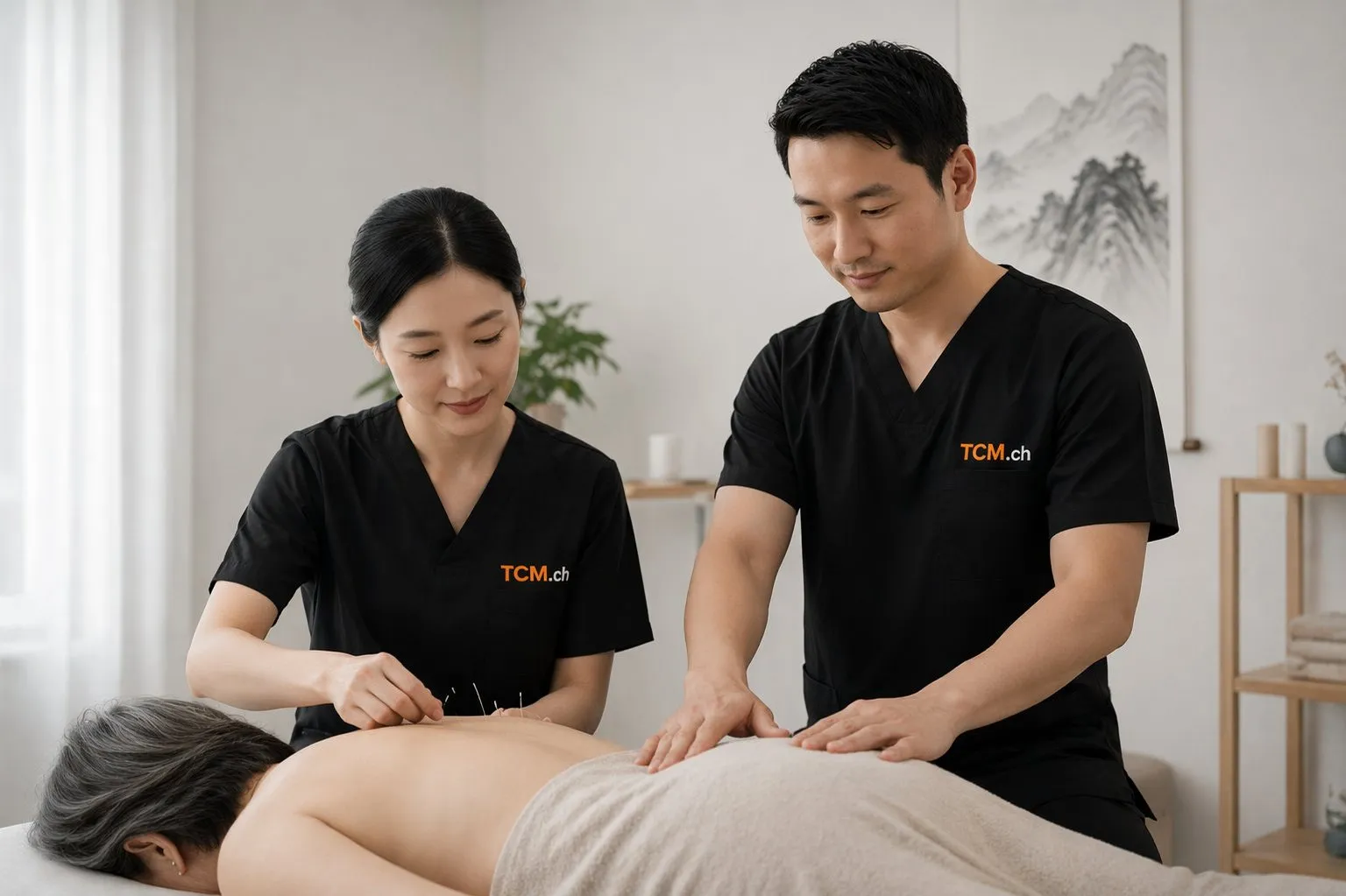
Most people booking their first acupuncture appointment have the same two questions running quietly in the background: will it hurt, and what am I actually walking into. Both are fair. Here is an honest walkthrough of what happens, what the needles feel like, and how to get the most out of the session, with nothing dressed up.
Before you arrive
There is very little you need to do, but a few small things help:
- Eat something an hour or two beforehand. Arriving hungry makes the occasional light-headedness more likely.
- Wear loose, comfortable clothing. Many points are on the lower legs, forearms, hands and back, so easy-to-roll-up sleeves and trousers save fuss.
- Skip alcohol right before, and go easy on caffeine if it tends to make you jittery.
- Make a short mental list: when your symptoms started, what makes them better or worse, and any medications you take. Your practitioner will ask.
If you take blood thinners, are or might be pregnant, or have a bleeding disorder or a pacemaker, mention it early. It changes nothing about whether you can be treated in most cases, but it does change how.
The first part is just talking
Your first appointment is longer than the ones that follow, usually around 60 to 75 minutes, because most of it is a proper consultation. We ask about your main complaint, your general health, sleep, stress, digestion and medical history, then examine the relevant area and how you move. None of this is mystical. It is the same logic any sensible clinician uses: understand the problem before treating it.
This is also the moment to be clear about expectations. We will tell you honestly whether acupuncture is a reasonable thing to try for your situation, roughly how many sessions it might take, and when something needs a doctor instead. We treat it as a complement to medical care, not a replacement for it.
Does it actually hurt?
This is the question that keeps people away, so let us be specific. Acupuncture needles are nothing like injection or blood-test needles. They are extremely fine, often around the thickness of a couple of hairs, and they are solid rather than hollow, so they part the skin rather than cutting it.
When a needle goes in, most people feel one of these:
- a quick tap or pinch that fades in a second,
- a dull, heavy, slightly spreading ache around the point, sometimes called the “needle sensation”, or
- often, nothing at all.
That heavy or tingling feeling is normal and is generally taken as a sign the point is active. What you should not feel is a sharp, lasting or burning pain. If you do, say so. The practitioner will reposition or remove the needle. You are in control the whole time, and “that one feels sharp” is exactly the kind of feedback we want.
What happens during the treatment
Once the needles are placed, usually somewhere between about 8 and 20 of them, they stay in for roughly 20 to 30 minutes while you rest. You will typically be lying down, warm and undisturbed. A lot of people find this part genuinely relaxing and a fair few drift off to sleep.
Depending on what you are being treated for, the practitioner might gently stimulate a few needles, add gentle warmth, or combine acupuncture with related techniques like cupping or Tuina massage for tight muscles. If you would like to know more about the treatment itself, our acupuncture page goes into detail.
How you might feel afterwards
Reactions vary. Many people feel calm and a little spacey for an hour or so, others feel energised, and some notice nothing in particular at first. Mild, temporary effects are common and harmless:
- slight tiredness or deep relaxation,
- a small bruise or a spot of tenderness at a needle site,
- brief light-headedness, especially if you stand up too quickly.
If you can, take the rest of the day gently, drink some water, and avoid intense exercise. None of this is compulsory, but it tends to make the experience nicer.
How many sessions, and when to expect change
Acupuncture is usually a course, not a single fix. Many people start with around six sessions and we check, together, whether anything is actually shifting. Some feel a difference quickly; others need a few treatments; some do not respond, and we will tell you that honestly rather than string it out. How much it helps differs genuinely from person to person.
If you are coming in for something specific, it can help to read about it first. We have honest, evidence-aware pages on common reasons people try acupuncture, including back pain and migraine and headaches.
A quick word on safety
Done by a trained practitioner using sterile, single-use needles, serious side effects are rare. The common ones are minor: small bruises, brief tiredness, the occasional light-headed moment. Tell us about pregnancy, blood thinners, bleeding disorders or implanted devices so we can adapt the treatment. And as with everything we do, if your symptoms are severe, sudden or getting worse, see a doctor first.
When you are ready, you can request an appointment in English or find your nearest clinic.