Acupressure
Acupressure stimulates the same points as acupuncture using finger pressure instead of needles. It is a gentle, complementary approach — results vary, and it is not a cure.
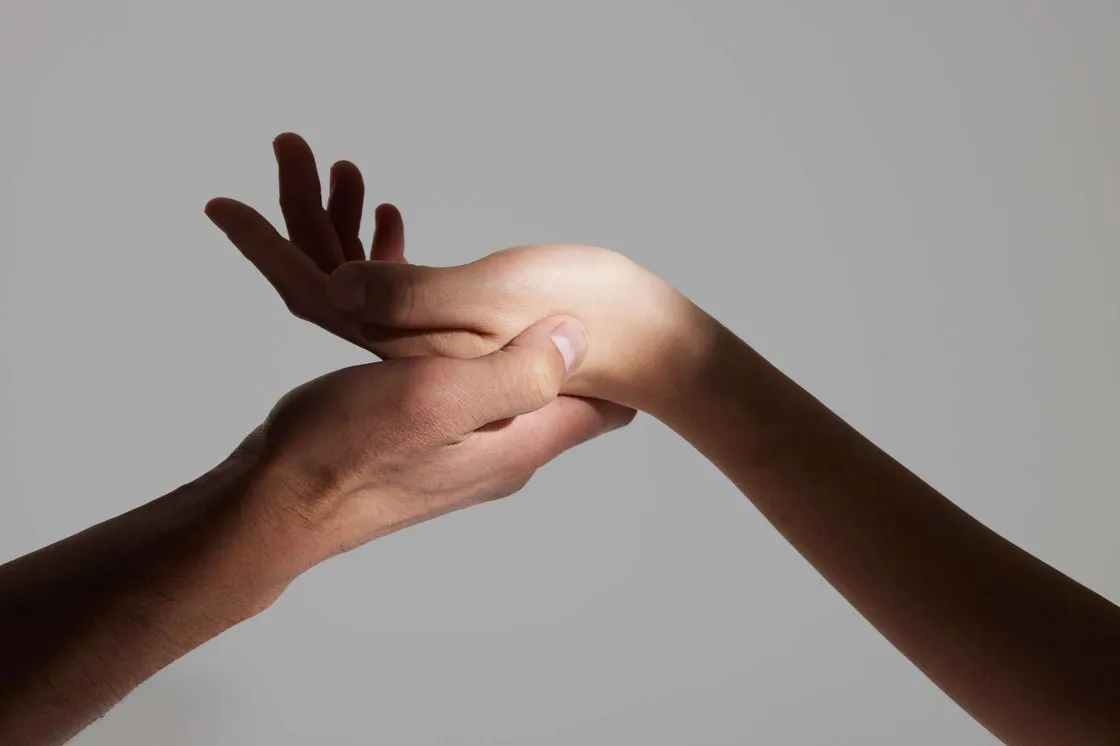
What it is
Acupressure works on the same points as acupuncture, but the practitioner applies focused pressure with the fingers or hands rather than inserting needles. This makes it gentle and needle-free, which suits people who are anxious about needles.
It is a low-risk complement to medical care, not a replacement for it. We can also show you a few points to press yourself at home, as a supplement to in-clinic treatment.
What to expect in a session
After discussing your symptoms, the practitioner applies steady, focused pressure to selected points, often around the head, neck, hands or back. You feel a firm but tolerable pressure, and many people find it immediately relaxing.
A session is calm and fully clothed, typically lasting 30 to 45 minutes. Tell your practitioner if any pressure feels too strong and they will ease off.
What it is typically used for
Acupressure is most often used for tension headaches, nausea, mild stress and sleep difficulties, and as a gentle option for children, during pregnancy, or for anyone wary of needles. It is used for symptom relief rather than to treat an underlying condition.
What the evidence says
Evidence is limited but there are reasonable signals in a few areas — particularly acupressure for nausea, and some support for tension headaches and sleep. Effects are generally gentler than acupuncture. We offer it as a low-risk option, especially where needles are unwelcome, without overstating what it can do.
We base this on general clinical guidelines and systematic reviews (e.g. Cochrane, PubMed-indexed research). The honest summary: studies vary in quality and findings, and individual results differ. We use Acupressure as a complement, not a substitute for medical assessment.
Conditions it commonly supports
People often try Acupressure as part of a wider approach for:
FAQ
How is acupressure different from acupuncture?
Acupressure uses finger pressure on the same points where acupuncture uses needles. It is gentler, needle-free and does not break the skin, which makes it a good option for people who are anxious about needles, as well as for children and during pregnancy. The effect is usually milder than acupuncture.
Can I do acupressure at home?
Yes — we are happy to show you a few simple points to press for things like tension headaches, nausea or stress. Self-acupressure is a useful supplement, though treatment with a practitioner is usually more thorough. It is best used alongside, not instead of, any medical care you need.
Is acupressure safe in pregnancy?
It is popular in pregnancy, particularly for nausea, and is generally low-risk. Certain points are avoided, so it is best done by, or learned from, a trained practitioner. Always let us know you are pregnant so we can adapt the treatment.
Is this covered by my insurance?
Treatment by our EMR-/ASCA-recognised practitioners is typically reimbursed through Swiss supplementary insurance for complementary medicine, not basic insurance. How much you get back depends on your individual policy. Our insurance guide explains the basic-versus-supplementary split in plain English.
This page is general information, not medical advice, and does not promise any cure or specific outcome. If symptoms are severe, sudden or worsening, see a doctor.