Cupping
Cupping uses suction cups on the skin to ease muscular tension. It is commonly used as a complementary approach for tight backs, necks and shoulders — results vary, and it is not a cure.
What it is
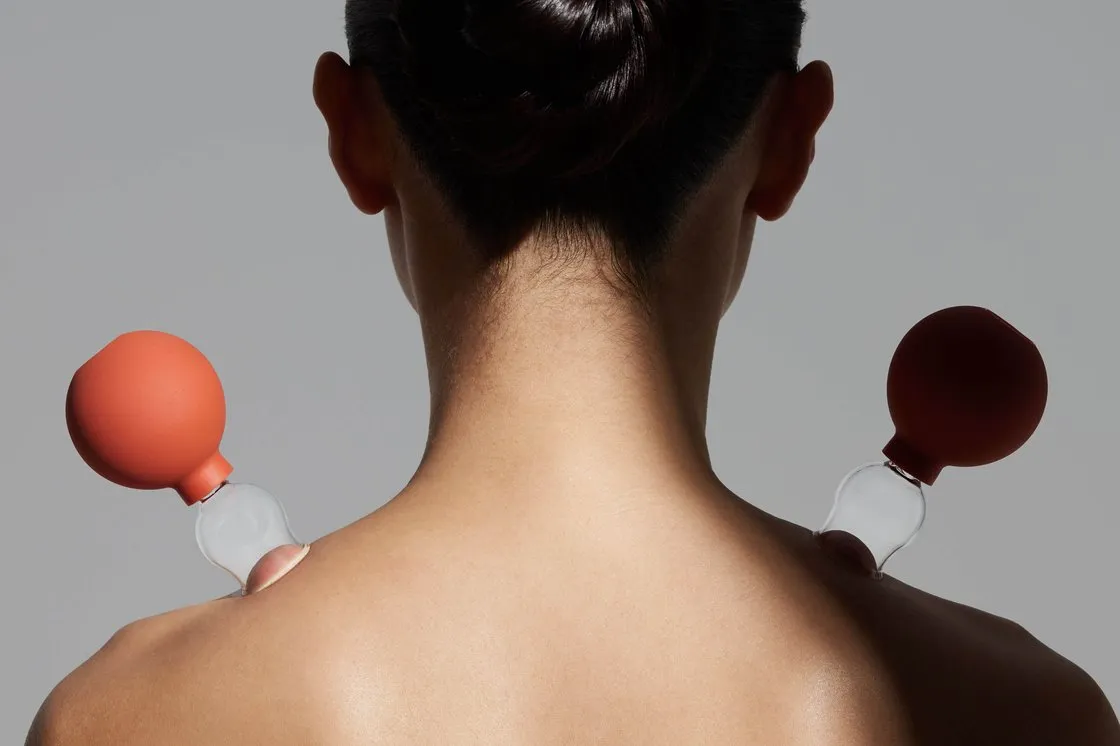
In cupping, glass or silicone cups are placed on the skin and a vacuum is created, gently drawing the tissue up. The aim is to loosen tight muscles and increase local blood flow. The cups can be left in place or, with a little oil, moved across the skin as a massage.
It is often combined with acupuncture or Tuina rather than used alone. We use it as a complement to staying active and to any medical care you need, not as a substitute for them.
What to expect in a session
After a short conversation about where the tension sits, the practitioner applies several cups, usually across the back, neck or shoulders, for around 10 to 20 minutes. You feel a firm pulling sensation that most people find tolerable and often relieving.
Cupping commonly leaves round, bruise-like marks. These are not painful and usually fade over several days to a week. Tell us beforehand if you would prefer to avoid visible marks.
What it is typically used for
Cupping is most often used for muscular tension and stiffness in the back, neck and shoulders, and is sometimes added when treating tension headaches that stem from a tight neck. It targets muscular symptoms rather than any underlying disease.
What the evidence says
The research on cupping is limited and of modest quality. Some studies suggest short-term relief for neck and back pain, but the effects are hard to separate from general massage and attention. We present it as a low-risk option that many people find directly loosens tight muscles, not as an established treatment.
We base this on general clinical guidelines and systematic reviews (e.g. Cochrane, PubMed-indexed research). The honest summary: studies vary in quality and findings, and individual results differ. We use Cupping as a complement, not a substitute for medical assessment.
Conditions it commonly supports
People often try Cupping as part of a wider approach for:
FAQ
What are the round marks after cupping?
The circular marks are caused by the suction drawing blood toward the skin surface. They are not bruises in the usual sense and are generally not painful. They typically fade within a few days to a week. If you would rather avoid them, let us know and we can keep the suction lighter.
Does cupping hurt?
Most people feel a firm pulling or tightness rather than pain, and many find it relieving over tense muscles. If a cup feels too strong, tell your practitioner and they will reduce the suction. It should not be sharply painful.
Who should avoid cupping?
We avoid or adapt cupping if you take blood thinners, have a bleeding disorder, fragile or inflamed skin in the area, or are pregnant. Tell us about your medical history beforehand so we can decide whether it is suitable for you.
Is this covered by my insurance?
Treatment by our EMR-/ASCA-recognised practitioners is typically reimbursed through Swiss supplementary insurance for complementary medicine, not basic insurance. How much you get back depends on your individual policy. Our insurance guide explains the basic-versus-supplementary split in plain English.
This page is general information, not medical advice, and does not promise any cure or specific outcome. If symptoms are severe, sudden or worsening, see a doctor.