Shiatsu
Shiatsu is a Japanese, fully clothed pressure therapy. It is used as a calming, complementary approach, often for stress and tension — results vary, and it is not a cure.
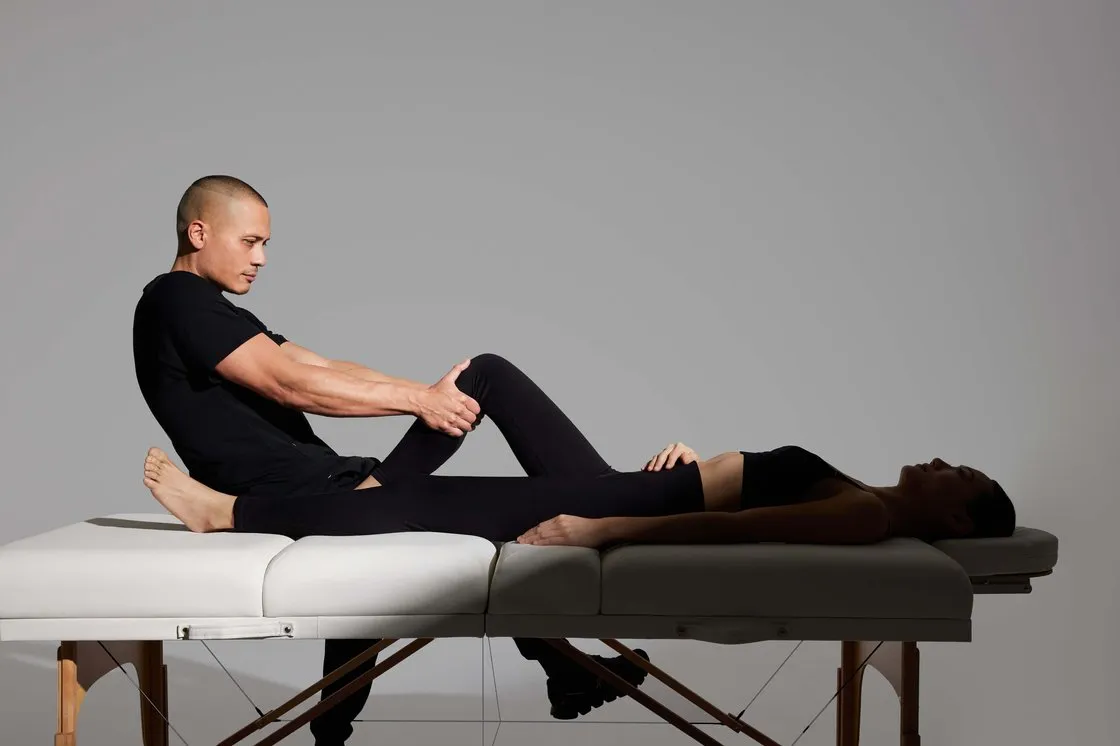
What it is
Shiatsu (Japanese for "finger pressure") is a hands-on therapy in which the practitioner applies rhythmic pressure with thumbs, palms and sometimes elbows, along with gentle stretches. It comes from the same roots as Chinese massage but developed its own style in Japan.
You stay fully clothed throughout, and treatment is often on a mat or a couch. We use it as a calming complement to medical care, not as a substitute for it.
What to expect in a session
Wear loose, comfortable clothing. After a short conversation, the practitioner works methodically over the body with steady pressure and slow stretches. Most people find it deeply relaxing rather than painful.
A session usually lasts around 60 minutes. Let your practitioner know if any pressure feels too firm and they will adjust.
What it is typically used for
Shiatsu is most often used for stress, general tension and sleep difficulties, and as supportive, calming care for back and neck tension. Many people value it simply as restful time. It supports wellbeing rather than treating any specific medical condition.
What the evidence says
High-quality evidence for Shiatsu is sparse. The most reasonable claim is that, like other forms of touch and relaxation, it can help people feel calmer and less tense in the short term. We present it honestly as a low-risk, supportive treatment for stress and tension, not a proven medical therapy.
We base this on general clinical guidelines and systematic reviews (e.g. Cochrane, PubMed-indexed research). The honest summary: studies vary in quality and findings, and individual results differ. We use Shiatsu as a complement, not a substitute for medical assessment.
Conditions it commonly supports
People often try Shiatsu as part of a wider approach for:
FAQ
What do I wear for Shiatsu?
You stay fully clothed for the whole treatment, so loose, comfortable clothing in a soft fabric is ideal — avoid stiff jeans. Treatment is usually on a padded mat or a couch. There is no oil and no need to undress.
How is Shiatsu different from Tuina?
Both use pressure along the body and share common roots, but Shiatsu is the Japanese tradition — often slower and more rhythmic, frequently on a mat — while Tuina is the Chinese style, often firmer and on a couch with added joint mobilisation. Which suits you is partly personal preference.
What is Shiatsu good for?
People most often come for stress, general tension and sleep difficulties, and many simply value it as restful, calming time. It supports wellbeing rather than treating a specific medical condition, and we are honest that the evidence is limited.
Is this covered by my insurance?
Treatment by our EMR-/ASCA-recognised practitioners is typically reimbursed through Swiss supplementary insurance for complementary medicine, not basic insurance. How much you get back depends on your individual policy. Our insurance guide explains the basic-versus-supplementary split in plain English.
This page is general information, not medical advice, and does not promise any cure or specific outcome. If symptoms are severe, sudden or worsening, see a doctor.
Related therapies
Tuina Massage
A firm, medical-style Chinese massage for muscular tension and stiffness.
Acupressure
Needle-free point stimulation by finger pressure — gentle, and suitable for the needle-averse.
Acupuncture
The best-known TCM treatment — fine needles at specific points, used as a complementary approach.